Affordable textbooks with concise lessons that are actually fun to read.
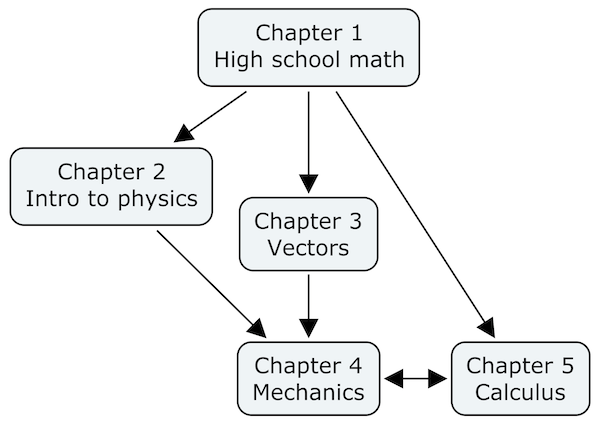
Imagine a single textbook that covers high school math, calculus, and mechanics. Calculus and mechanics are often taught as separate subjects, but this book integrates the two subjects into a coherent whole. Learning mechanics and calculus in parallel is much easier and more interesting.
The book begins with a review chapter on numbers, algebra, equations, functions, in order to make the study of mechanics and calculus accessible for all readers.
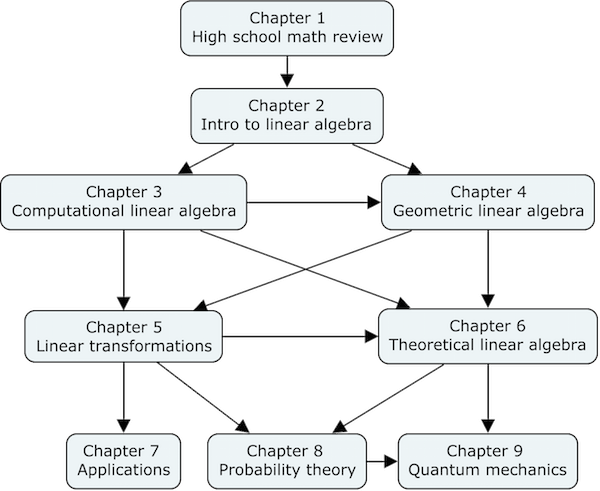
This textbook covers all the material of a university-level course through lessons written in a style that is precise and concise. Linear algebra is the foundation of science and engineering.
In the later chapters of the book, readers get a chance to apply their linear algebra skills to solving problems in chemistry, electronics, economics, probability theory, machine learning, computer graphics, signal processing, and even quantum mechanics.
Worried about an upcoming exam? Don't be. The math and physics book will teach you everything you need to know about equations, functions, vectors, forces, momentum, energy, limits, derivatives, integrals, sequences, and series. The linear algebra book will teach you everyting you need to know about liner algebra and its applications.
The books include hundreds of solved problems to help you succeed on your exams.
Curious to learn math and physics but never had the time? Now's your chance!
Try the practice problems to test your understanding.
Beef up your math skills and get rid of math phobia. Discover a beautiful subject that can bring you tons of knowledge buzz.
Doing math is like playing with LEGO. It's fine if you don't want to play, but you'd be missing out on a lot of fun.


You can learn math and physics, regardless of your math background.
Finally, math textbooks that don't suck.
It's literally two heavy textbooks packed into a very light and small book. I love the book. My only problem has been when I am working through it in the library and start laughing out loud—you have great examples.
Learning calculus in university? You need this book. It's that simple. It is both concise and helpful. For me it was a lifesaver.
I like the conversational tone of your writing. It's almost like I'm learning math from a friend.
I studied electrical engineering, physics, and computer science at McGill University, tracing the mathematical connections between these subjects.
I have more than 17 years of teaching experience as a private tutor, and I've helped many students overcome their fear of math and ace their exams. My teaching strategy focusses on explaining the connections between concepts.
I started Minireference Publishing Co. to bring much-needed changes to the textbook industry. Using open source software and print-on-demand technology, we produce high-quality textbooks at a fraction of the price of mainstream textbooks.
ePub,
and Mobi
ePub,
and Mobi




An introduction to the computer algebra system SymPy, which can help you with all kinds of calculations:
Recommended reading for people with math anxiety.
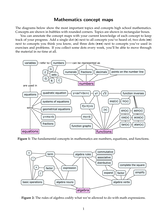
A visual map of all the fundamental ideas of mathematics and the connections between them:
This concept map will help you understand math terms.
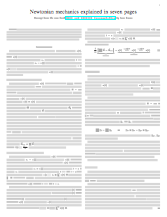
This tutorial explains all the key ideas of mechanics (PHYSICS 101) in a condensed format, which is perfect if you only have a few days before your final:
For the full details, get the math and physics book.
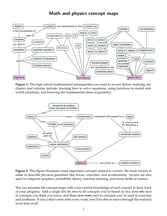
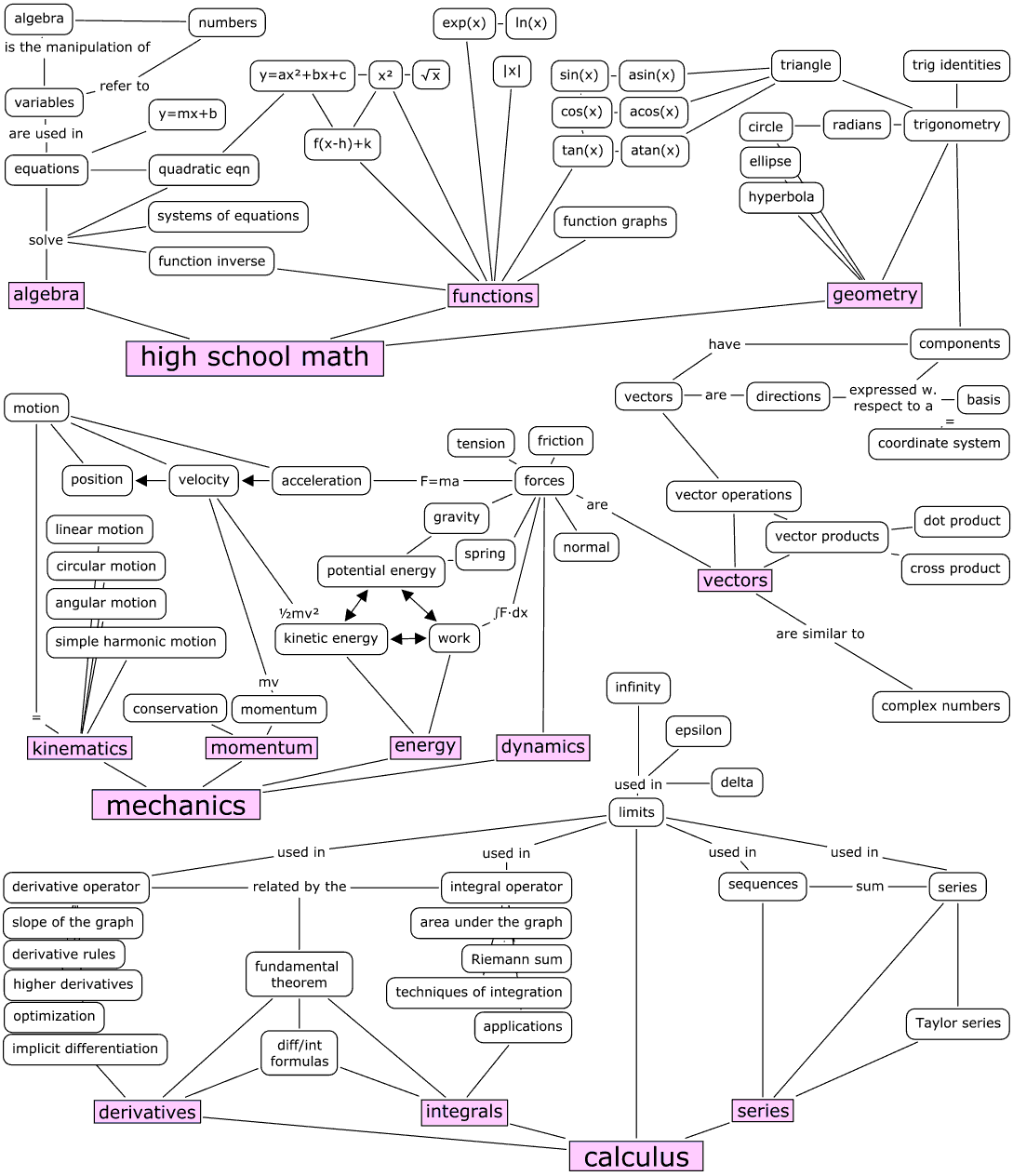
Learn about the intricate connections between the concepts of mechanics and calculus:
Use these concept maps to make your life easier when learning these subjects.
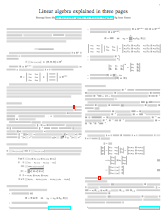
It takes months to learn linear algebra, and years to fully understand all the details.
This four-page tutorial introduces the main ideas:
For more details, get the linear algebra book.
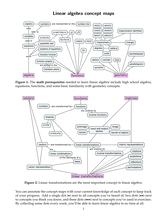
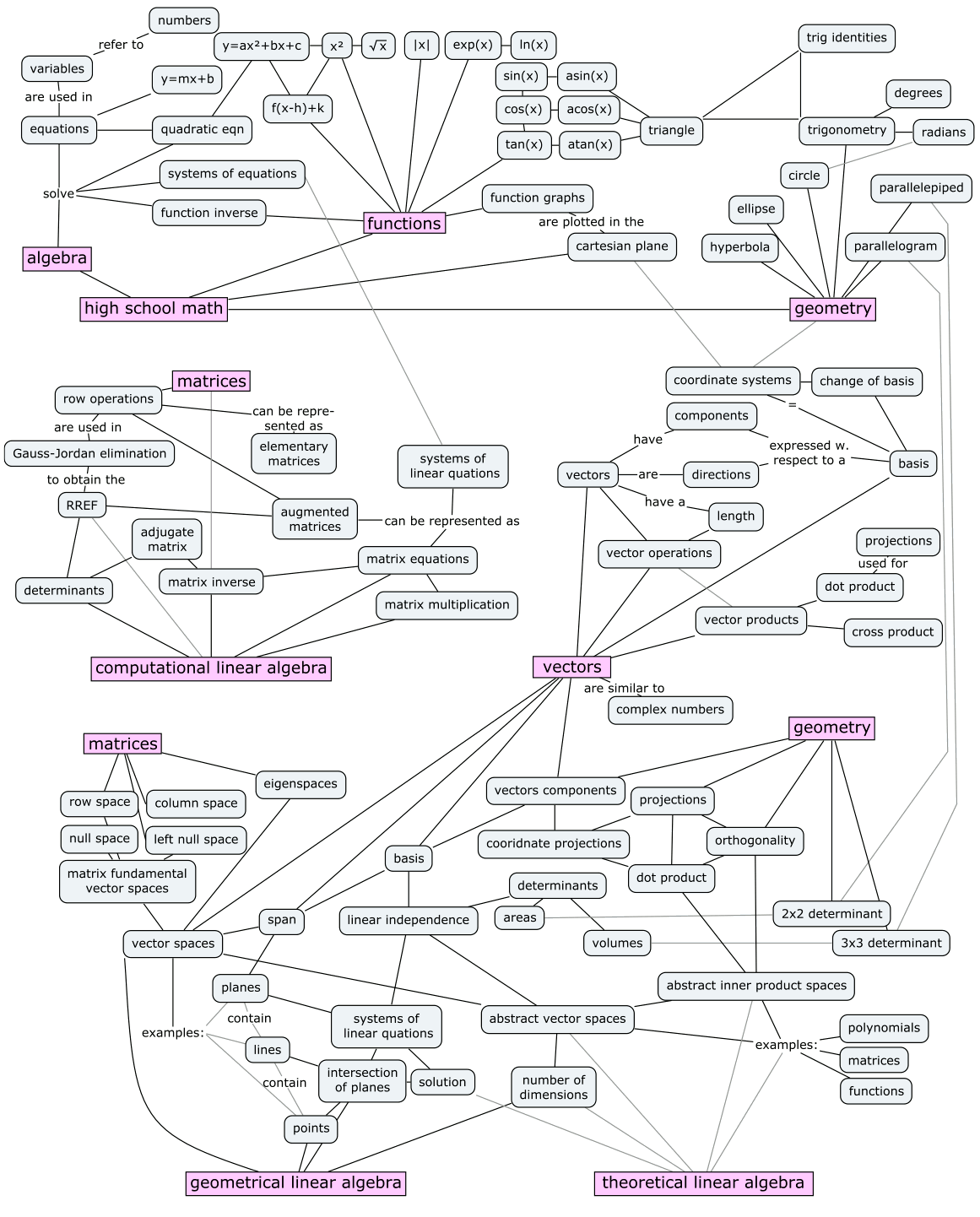
A detailed overview of the most important concepts of linear algebra, and the connections between them:
Learn about the connections between linear transformations, matrices, and vector spaces.
Subscribe and we'll let you know when new material is released.
This mailing list is very low traffic because writing and editing math content takes a long time.
Apr 2023: The No Bullshit Guide to Linear Algebra was featured in the 20 Best Math Books to Read Now list on Abackus.
Sep 2021: I launched the No Bullshit Guide to Mathematics (high school math) and the new website noBSmath.com. The book also available in French. See also this related blog post.
Mar 2020: RichardOnData recommends the No Bullshit Guide to Linear Algebra in a video about data science.
Jan 2020: The Korean translations of the MATH & PHYSICS and the LINEAR ALGEBRA books are now ready.
Mar 2018: A detailed review of the No Bullshit Guide to Linear Algebra appeared on machinelearningmastery.com
Apr 2017: No Bullshit Guide to Linear Algebra v2 launch.
Jan 2016: The book reached top five bestsellers on Amazon.com in Calculus and is picking up excellent reviews.
Sept 2014: Fifth edition released with 250+ new solved problems, content improvements and a new SymPy tutorial.
Mar 2014: No Bullshit Guide to Linear Algebra released on HN.
Apr 2013: Featured on an episode of the TechZing Show. See postscript here.
Jan 2013: The No Bullshit Guide to Math & Physics was announced on Hacker News. Topped the homepage for a day!

Refreshing